
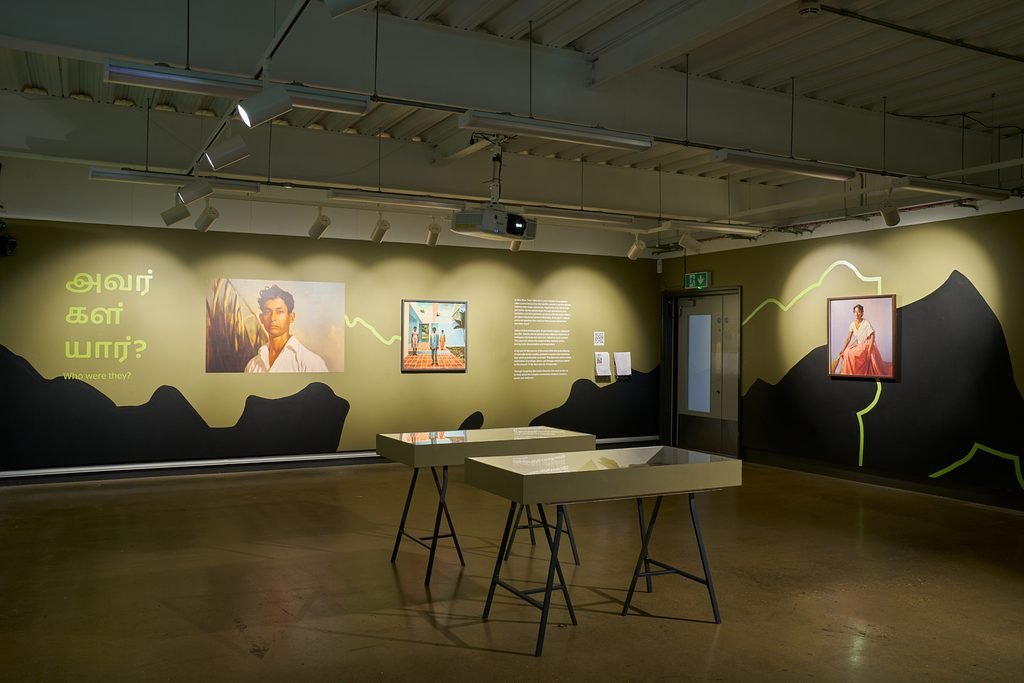
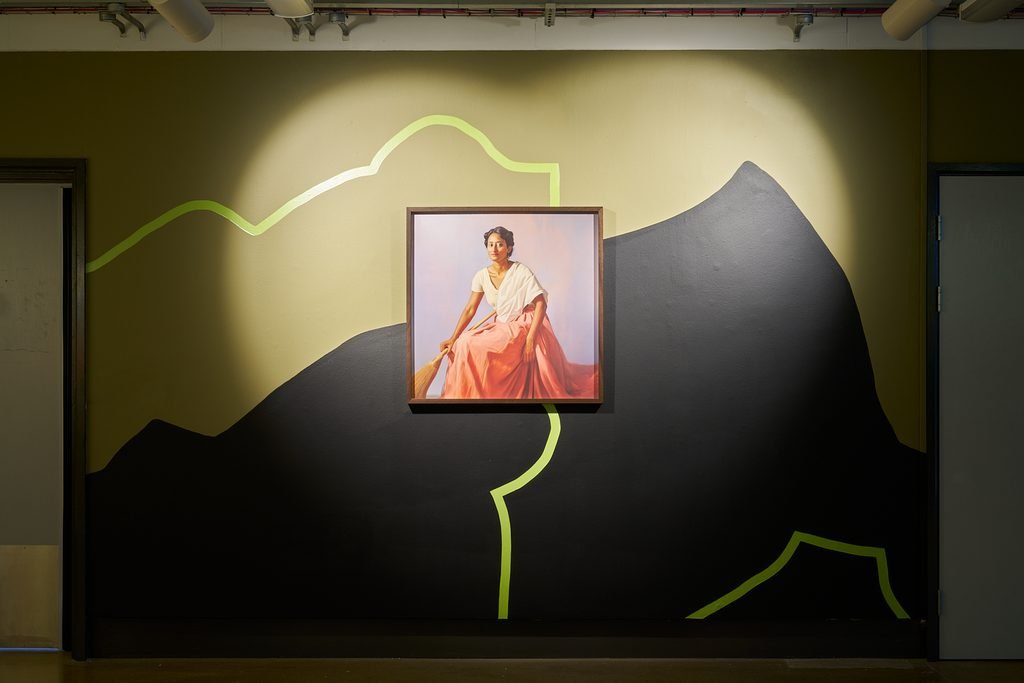
In Who Were They? Who Am I? artist Sabrina Tirvengadum takes a personal journey into identity, ancestry and the hidden histories that shape who we are. Inspired by their father’s life and family stories passed down through generations, this exhibition connects personal narratives with the larger history of Indian indentured labour in Mauritius. At its heart, it asks a universal question: How much of who we are comes from who they were?
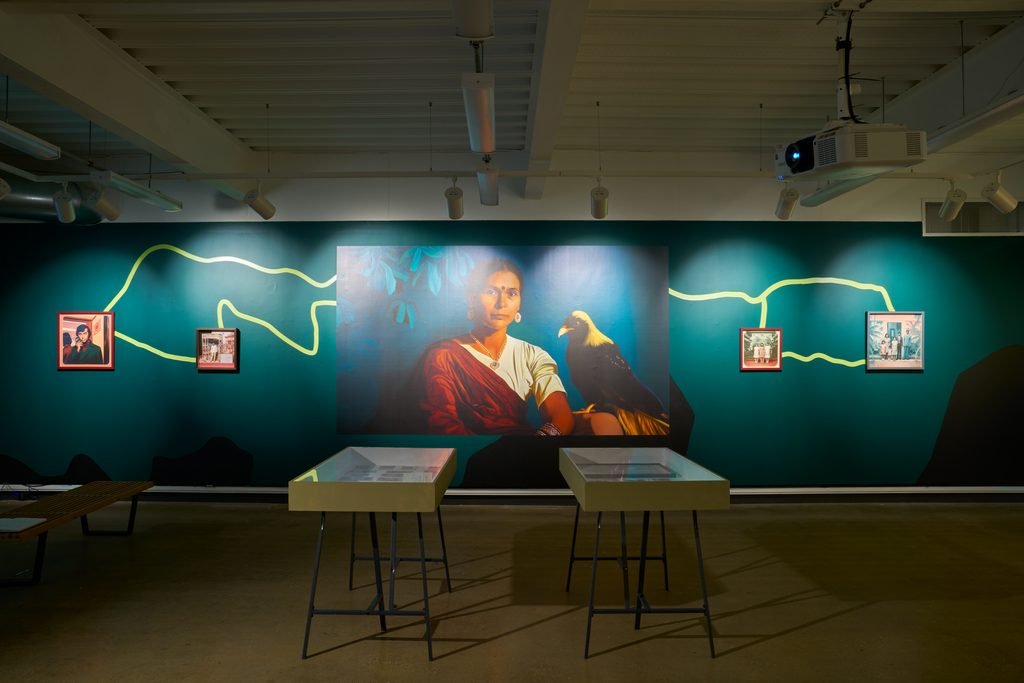
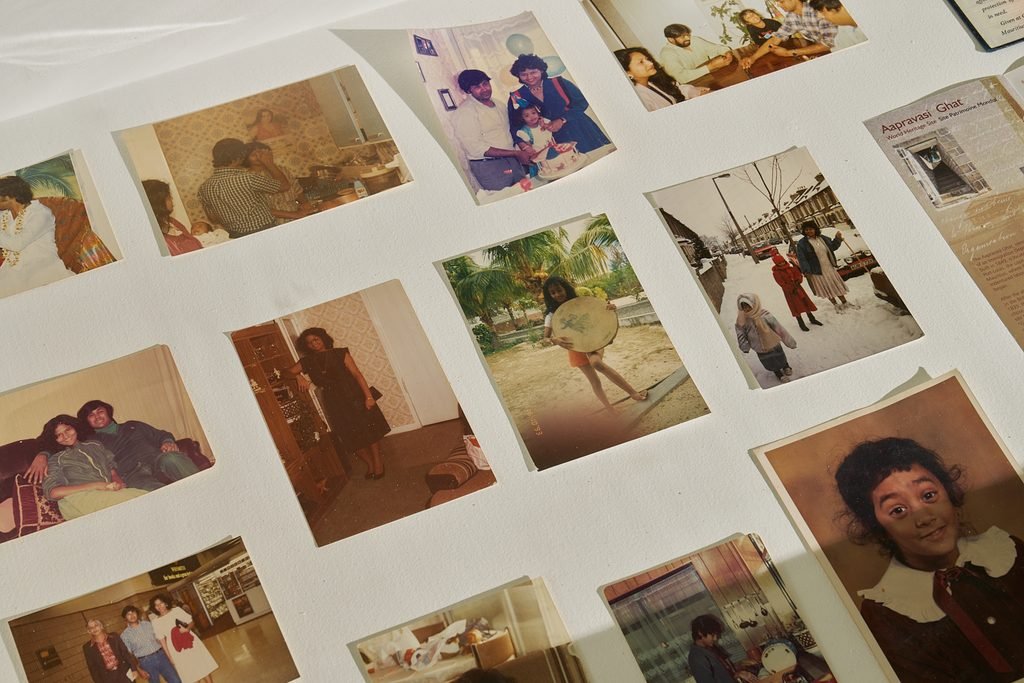
Using archival photographs, AI-generated imagery, digital art and film. Sabrina blends personal and collective memories to reimagine moments that were lost, hidden or never existed. This approach shows the nature of how memory works, mixing truth, interpretation and imagination.
A key part of this journey is the artist’s DNA link to the Marrier d’Unienville family: wealthy plantation owners who employed their great-grandmother as a maid. This discovery led to a deep exploration of privilege, labour, and lineage, which are central to the artwork “If We Were Marrier d’Unienville.” Through imagining alternative histories, this work invites us to think about the complex connections between ancestry, power and resilience.

Another highlight is the short film “A Souvenir to Keep,” made from rediscovered family footage of the artist’s first visit to Mauritius in 1993. The film captures the emotional experience of connecting with ancestral land and reflects the shared journeys of many people in diaspora communities, where longing and belonging intertwine.
Who Were They? Who Am I? is more than a question. It invites us to explore how history, family, and storytelling shape identity. By reimagining the stories of the past, Sabrina honours those who came before and asks us to reflect on our own connections to history and heritage.
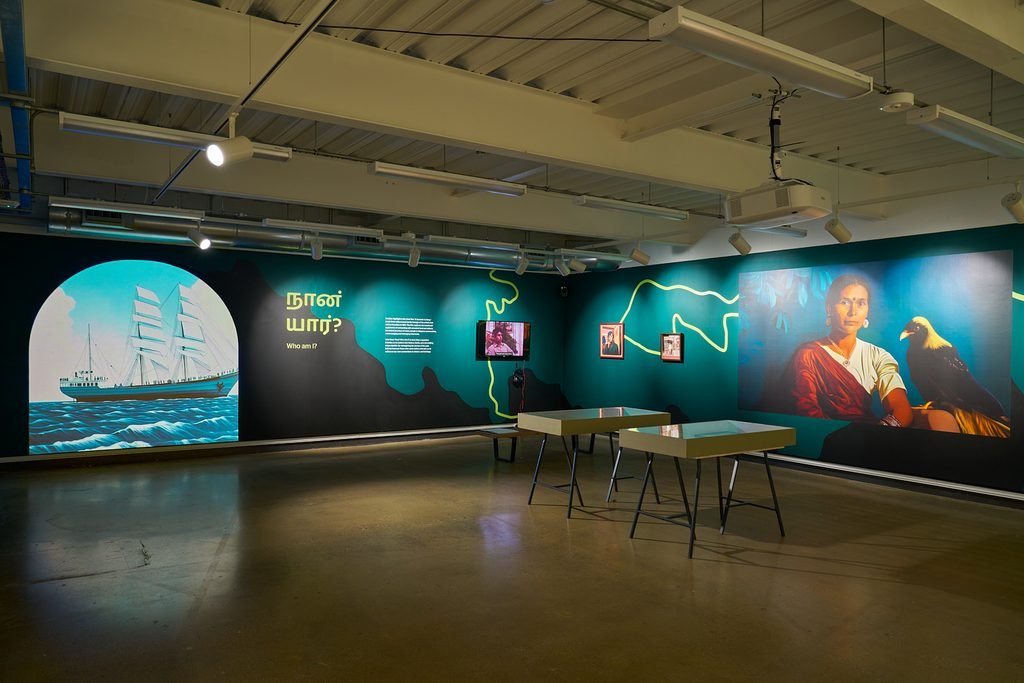
Indentured Labour
Indentured labour was a system where people, often from parts of the world that were subjected to colonialism, were contracted to work unpaid for a certain number of years in exchange for passage to a new land, food or shelter. In British Colonial India, many people living in poverty signed contracts to become indentured servants, and the use of indentured labour significantly increased after the abolition of slavery in the British Empire. Due to a shortage of workers in British colonies like Mauritius, the British turned to India as a source of workers for plantations, particularly sugarcane. Thousands of Indian nationals were sent to Mauritius and other locations across the British Empire to work under harsh conditions, with promises of land or money once their contracts were over.
The use of indentured labour had a lasting impact on Mauritius. Many of the Indian workers remained in the country after their contracts ended, and they formed a significant part of the population. Over time, their culture, religion, and traditions blended with those of other ethnic groups on the island, creating a unique multicultural society. However, the system of indentured labour also left a legacy of exploitation, as the workers often faced poor living conditions, long working hours, and limited rights.
Origins and Duration: The system of indentured servitude became prominent after the abolition of slavery in the British Empire in 1833. It continued until the early 20th century, with the majority of workers bound by contracts of 5 to 10 years.
Movement of Workers: Between 1834 and 1917, approximately 1.2 million people were transported from British India to various colonies across the world as indentured labourers. The largest numbers were sent to the Caribbean, Fiji, Mauritius, and South Africa.
Mauritius: Between 1834 and 1910 more than 450,000 people were brought to Mauritius from India under the indenture system. By 1901, Indians made up around 60% of the population of Mauritius, a demographic shift that significantly shaped the island’s social and economic landscape.
Conditions of Work: Indentured servants often faced harsh and exploitative working conditions. They worked long hours on plantations or in mines, lived in poor housing, and were frequently subjected to abuse by their employers.
End of Indenture: The system of indentured servitude gradually ended by the early 20th century. In British colonies like Mauritius, the last indentured workers arrived in 1910, and the system was officially abolished by 1920.
Legacy: Many indentured workers chose to stay in their adopted countries after completing their contracts. This contributed to significant demographic changes, especially in places like Mauritius, Fiji, and the Caribbean, where Indian communities form a large part of the population today.